
 New Horizons
 Project Management Academy
 Six Sigma Online
 TCM Security
 TRACOM
 Velopi
 Watermark Learning
 Login
Login



Key Takeaways:
- Spot Opportunities Early – Use tools like SWOT and PESTLE to find gaps before competitors.
- Focus Resources Wisely – Use scoring models and ROI to prioritize the best ideas.
- Test Fast, Learn Faster – Apply sprints, MVPs, and feedback loops to reduce risk.
- Stay Aligned with PPM – Keep projects tied to strategy and avoid wasted effort.
- Keep Learning, Keep Growing – Regularly use retrospectives, KPIs, and upskill to fuel future wins.
A mid-sized company is profitable, and its customers seem happy. They thought they had everything under control. But while focusing on business as usual, a competitor spotted an emerging trend, launched a pilot product, and captured a whole new market segment. When its leadership realized what had happened, the window had closed, missing the chance to lead—and now it’s playing catch-up.
Missed opportunities happen more often than businesses like to admit—not due to a lack of ideas but a lack of structure to act on them. Ideas get tossed around in meetings without a structured approach but rarely move forward.
Project management isn’t just about keeping projects on track. It helps businesses spot opportunities early and turn them into results—before someone else does. Just as important, it helps teams make smarter decisions by learning from what’s worked, what hasn’t, and what customers need—instead of jumping at every shiny new idea.
Let’s learn how project management helps businesses stay ahead by identifying, testing, and scaling opportunities—and how learning from every project keeps the system running smoothly.
How Project Management Tools Identify Opportunities Before Competitors
Spotting business opportunities isn’t about waiting for inspiration. Project management offers tools that help teams analyze their environment in a structured way and spot gaps others might miss.
Key tools include:
- SWOT Analysis – Examines strengths, weaknesses, opportunities, and threats to identify areas for improvement or risk.
- PESTLE Analysis – Scans outside factors like laws, economics, technology trends, or social changes that might open or block opportunities.
- Porter’s Five Forces – Assesses market competition by examining new entrants, customer power, and supplier influence.
- Gap Analysis – Identifies unmet customer needs or internal inefficiencies the company could address.
After identifying potential gaps, teams evaluate which ideas are worth pursuing through feasibility studies and business cases—then bring in diverse perspectives to shape them further.
Project managers use brainstorming sessions to help teams see different angles, challenge assumptions, and prevent good ideas from getting trapped in silos. They also engage stakeholders early—customers, users, and partners—to uncover needs and build momentum from day one.
These methods help businesses act earlier than competitors who rely on gut feelings or informal chats. However, identifying an opportunity isn’t enough—teams also need a structured way to evaluate and prioritize ideas. That’s where project management comes in.
How Project Management Helps Choose and Deliver the Right Projects
Once you have a list of potential projects, the next challenge is deciding which ones to move forward. Effective project governance and prioritization frameworks provide teams with straightforward tools to evaluate and prioritize projects, including:
- Scoring Models – Simple rating systems, like MoSCoW (Must-have, Should-have, Could-have, Won’t-have), or point-based systems that compare cost, value, and risk.
- Cost-Benefit Analysis – Weighs a project’s expected benefits against its cost.
- ROI Estimation – Estimates the potential return compared to the effort and expense.
- Risk Assessment – Highlights what could go wrong and the risks’ significance.
- Strategic Fit Assessment – Looks at whether the project supports the company’s broader goals.
To support these decisions, project managers or specialized teams like Project Management Offices (PMOs) run gating processes—checkpoints that ensure each project has clear goals, stakeholder support, and a solid plan before moving forward.
While gating keeps teams aligned and focused, even the best-laid plans need room to adapt. Agile and Lean approaches help teams stay nimble and adjust as needed.
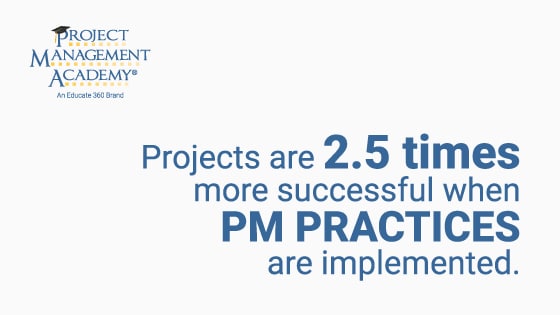
Using Agile and Lean to Test and Capitalize on Opportunities
Spotting a promising opportunity is one thing—delivering on it is another. That’s where Agile and Lean come in. These methods allow teams to test ideas quickly, learn from feedback, and adapt before investing too much time or budget. Agile project management uses tools like:
- Running Sprints – Short cycles to test and deliver small pieces of value.
- Creating Minimum Viable Products (MVPs) – Basic product versions to test key features before heavy investment.
- Prototyping – Early models to gather quick user feedback.
- Using Feedback Loops – Integrate customer input early to refine direction and features quickly.
- Applying Lean Startup methods – Follow the Build-Measure-Learn cycle to validate assumptions and iterate.
- Using proven agile frameworks like SAFe (Scaled Agile Framework) or LeSS (Large-Scale Scrum) – Helps larger organizations scale agile across teams without losing speed.
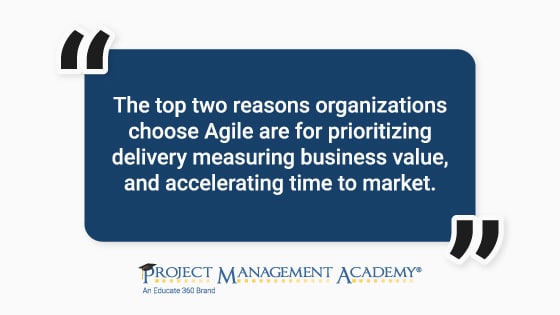
Agile helps teams move fast—but speed without alignment can lead to wasted effort. That’s why even the nimblest teams must stay tied to broader business goals. Enter Project Portfolio Management (PPM): the link between day-to-day agility and long-term strategy.
How PPM Aligns Opportunities to Strategy and Resources
Organizations that neglect the importance of PPM report 50% more project failures.
Chasing too many projects—even exciting ones—can drain resources if they’re not aligned with business strategy. Project Portfolio Management (PPM) keeps projects focused on what matters most by:
- Aligning projects to strategy – Keeps projects tied to business goals and avoids wasted effort.
- Balancing project types – Mixes launches, improvements, and maintenance without overloading teams.
- Providing visibility and control – Helps leaders track progress and make decisions using tools like dashboards and regular project reviews.
- Preventing shiny object syndrome – Shows how each project supports—or doesn’t support—strategy.
- Enabling quick adjustments – Allows PMOs and leaders to refocus teams and budgets when priorities change.
For example, a global manufacturer used PPM dashboards to identify overlapping automation initiatives across business units. By consolidating efforts, they reallocated resources toward a unified robotics platform—reducing redundancy, cutting costs, and accelerating time to value.
Many businesses use these PPM practices to stay focused, flexible, and growth-driven.
Project Management Examples Driving Growth and Opportunity
Before project management can overcome roadblocks, it must prove its value. Here’s how businesses in different industries have used project management tools and practices—like Agile, Lean, and PPM—to turn opportunity into measurable growth.
- One SaaS company piloted a new feature using agile sprints and prototypes. They validated the feature quickly, rolled it out, and won new customers.
- A provider used project management tools in healthcare to spot gaps in local mental health services. This discovery led to a project that launched a telehealth counseling service, creating new revenue and reaching patients they hadn’t served before.
These real-world wins show how project management—especially when combined with continuous learning—turns ideas into action and opportunities into measurable growth.
Yet even with these practices in place, companies still face roadblocks like resistance to change or siloed teams. That’s why project management is critical in helping teams navigate these challenges.
How Project Management Overcomes Barriers to Opportunities
Despite strong strategies and tools, projects often stall—not because of competition but internal friction. Resistance to change, siloed teams, and unclear decision-making can quietly block progress. That’s why project management isn’t just about structure; it’s about helping people and departments work better together.
Common barriers include:
- Resistance to Change – New ideas can feel threatening to employees and leaders.
- Siloed Thinking – Teams work in isolation, making collaboration difficult.
- Lack of Clear Rules – Without clear steps or decision-making processes, projects often stall before they gain traction.
Project management helps overcome these hurdles by:
- Using Change Management Frameworks – Helping manage transitions smoothly and secure buy-in.
- Using PMOs as Facilitators – Neutral teams that bring departments together and keep projects moving.
- Bringing in Governance Processes – Making decision-making transparent and disciplined.
When these approaches become part of everyday work, organizations can build a culture where teams collaborate more easily, stay aligned, and are better prepared for the next opportunity.
How Continuous Learning Helps Spot and Capitalize on Opportunities
Teams that stop learning often miss their next big opportunity. That’s why top teams—and the project managers guiding them—review every finished project to ask what worked, what didn’t, and what they can do better next time.
Great project managers don’t just rely on past experience. They invest in certifications, courses, and workshops to stay current as tools and methods evolve. Paired with internal practices like retrospectives and lessons-learned sessions, this commitment helps teams capture insights, make improvements, and stay ready for what’s next.
Dashboards and simple KPIs (Key Performance Indicators—easy-to-track progress measures) also help teams see whether they delivered the expected results and uncovered new opportunities.
For example, if a product launch falls short, the team might hold a lessons-learned session to:
- Pinpoint what went wrong.
- Capture insights and lessons.
- Adjust the product.
- Relaunch with improvements.
Reflecting, adjusting, and trying again keeps teams engaged and helps them spot fresh ideas they might have missed.
Whether it’s upskilling through continuous learning programs or reflecting as a team, this ongoing cycle keeps businesses nimble, innovative, and ready for whatever opportunity comes next—no matter how the market shifts.
Project Management and Learning: Your Engine for Opportunities
Gut instinct has its limits. You need structure, strategy, and evolving skills to spot and act on opportunities with confidence consistently.
That’s where Project Management Academy comes in. Our courses help you prioritize what matters, execute with clarity, and keep your project management skills sharp. So you stay ahead of the curve.
Ideas are everywhere. The difference-makers? They’re the ones who bring those ideas to life—and never stop learning how to do it better.
Explore our courses to gain the skills that turn your next opportunity into real results.

 Influencing Without Authority
 (877) 637-0450
 contact@projectmanagementacademy.net
 Mon - Fri | 8:00 AM - 6:00 PM EST


 New Horizons
 Project Management Academy
 Velopi
 Six Sigma Online
 TCM Security
 TRACOM
 Watermark Learning